Understanding the Role of Fiber in Digestive Health
Fiber is one of the most important parts of a healthy diet, and one of the most commonly overlooked. Most adults eat well below the recommended amount. Getting enough supports regular digestion, helps you feel full and feeds the beneficial bacteria that live in your gut.
Two Kinds of Fiber
Soluble fiber dissolves in water to form a gel, which slows digestion and helps keep blood sugar steady. Insoluble fiber does not dissolve; it adds bulk and helps food move through the digestive system. Most plant foods contain both, so variety matters more than chasing one type.
Good Sources of Fiber
- Oats and barley.
- Beans, lentils and chickpeas.
- Whole-grain bread, pasta and brown rice.
- Berries, apples and pears with the skin on.
- Broccoli, carrots and leafy greens.
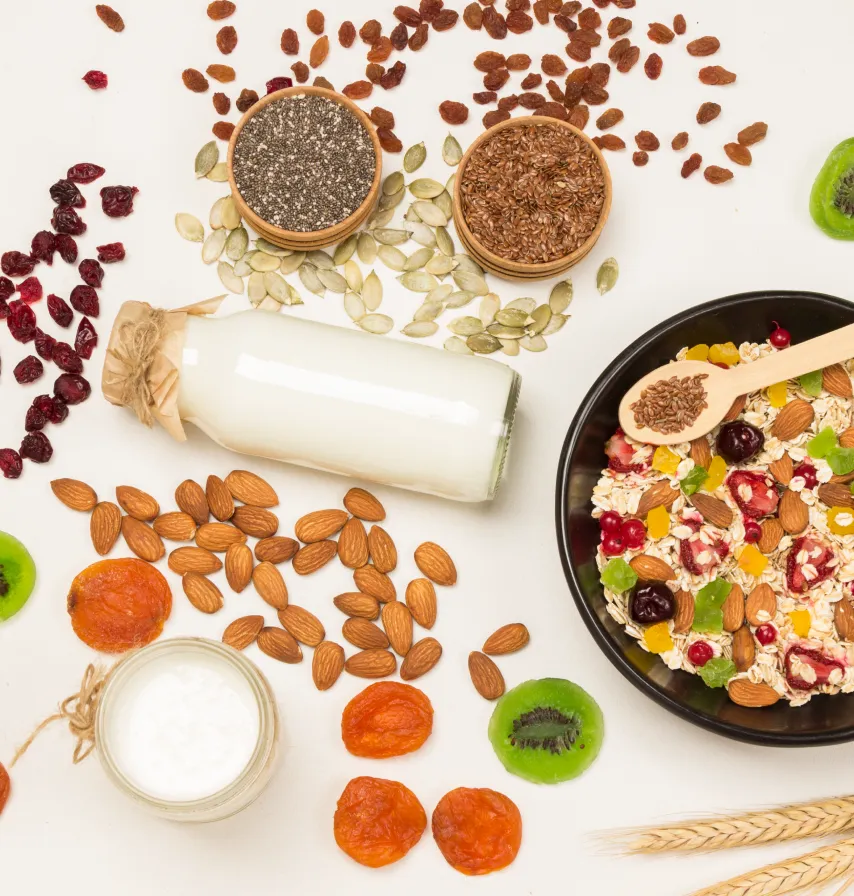
- Chia seeds, flaxseed and almonds.
Increasing Fiber Comfortably
Add fiber gradually over a few weeks rather than all at once, which can cause bloating. Drink plenty of water as you increase your intake, since fiber works best with fluid. Simple swaps, like whole-grain bread for white or a piece of fruit instead of juice, make a noticeable difference.
Conclusion
A fiber-rich diet is one of the simplest ways to support your digestive health. Build your meals around whole grains, legumes, fruit and vegetables, and your gut will thank you.