How to Create Balanced Meals for Weight Loss

Losing weight does not require cutting out entire food groups or counting every calorie. For most people, the most sustainable approach is learning to build meals that are filling, satisfying and naturally moderate in portion size. A balanced plate does most of that work for you.
The Balanced Plate Method
Picture a standard dinner plate. Filling it in the right proportions keeps you full on fewer calories, without leaving you hungry an hour later.
Building Your Plate
- Half the plate: vegetables or salad.
- A quarter of the plate: lean protein such as fish, chicken, beans or tofu.
- A quarter of the plate: whole grains or starchy vegetables.
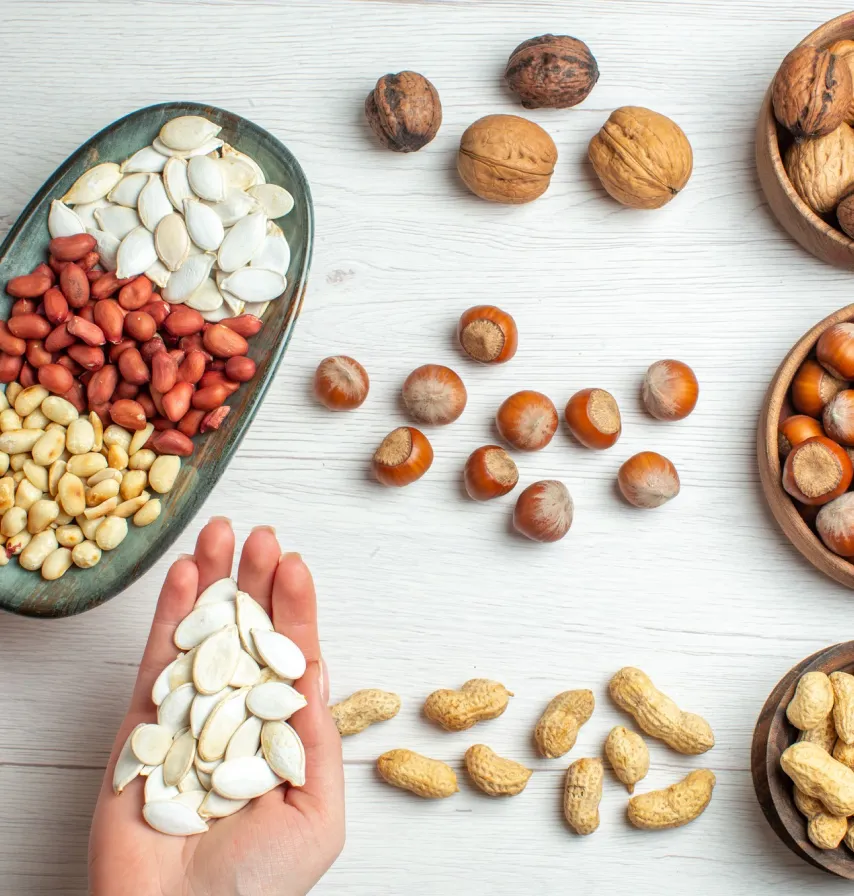
- A small amount of healthy fat, such as olive oil, avocado or nuts.
- Water or another unsweetened drink alongside.
Making It Work Day to Day
Plan a few meals ahead so you are not deciding when you are already hungry. Cook extra protein and grains to reuse in lunches, and keep frozen vegetables on hand for busy nights. Eat slowly and give yourself a few minutes before going back for seconds; fullness signals take time to arrive.
Conclusion
Balanced meals make weight loss feel less like a diet and more like a routine you can keep. Aim for steady progress rather than quick results, and adjust portions as your activity level and goals change.