The Connection Between Gut Health and Mental Health
Your gut and your brain are in constant communication. Researchers call this link the gut–brain axis, and while the science is still developing, there is growing evidence that the bacteria in your digestive system can influence mood, stress and overall well-being.
How the Gut and Brain Communicate
The gut is connected to the brain through nerves, hormones and the immune system. Gut bacteria also produce compounds that can affect how we feel. A diverse, well-fed gut microbiome appears to support this communication, while a diet low in fiber and high in ultra-processed foods may disrupt it.
Foods That Support a Healthy Gut
- Yogurt and kefir with live cultures.
- Fermented foods such as sauerkraut and kimchi.
- Onions, garlic and leeks.
- Bananas, oats and other fiber-rich foods.
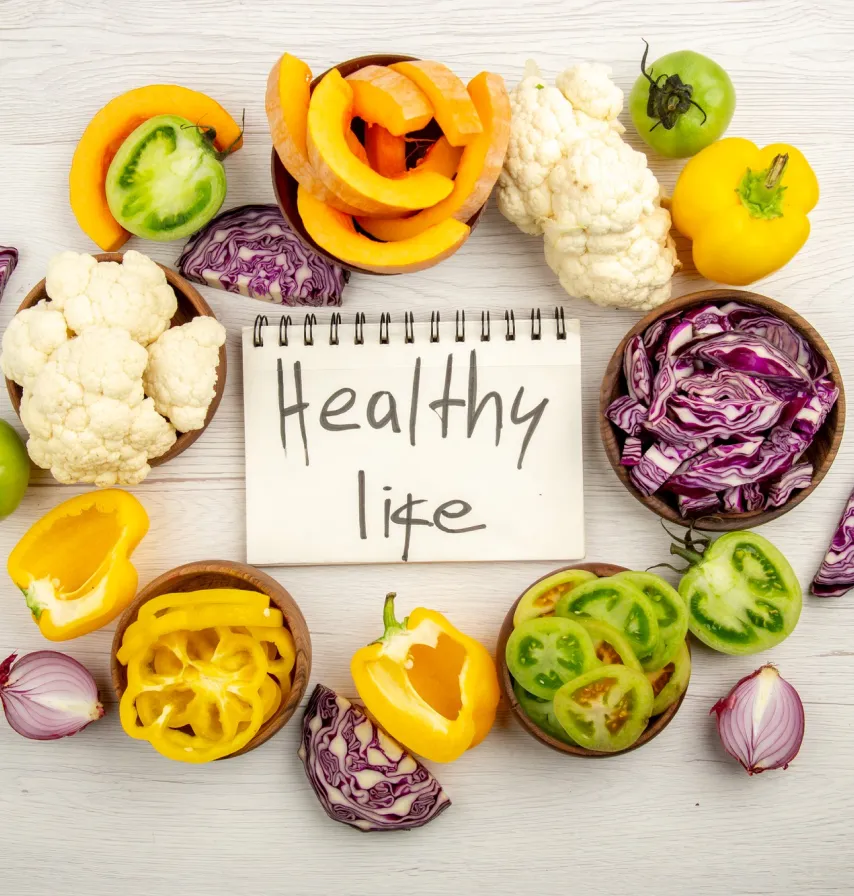
- A wide variety of vegetables, fruit and legumes.
A Simple Gut-Friendly Day
Start with overnight oats topped with yogurt and berries. Have a lentil and vegetable soup for lunch, and finish with a stir-fry of mixed vegetables, garlic and brown rice. Aim for many different plant foods across the week; variety is what feeds a varied microbiome.
Conclusion
Eating for your gut is a reasonable, low-risk way to look after your overall well-being. It is not a replacement for professional care, though: if you are struggling with your mental health, please reach out to your doctor or a mental health professional.